Sharks Over the Ship Channel: The Texas State Aquarium's Gulf-Sized Ambition
The largest aquarium in Texas built its reputation on the water outside its windows — the Gulf of Mexico, presented species by species.
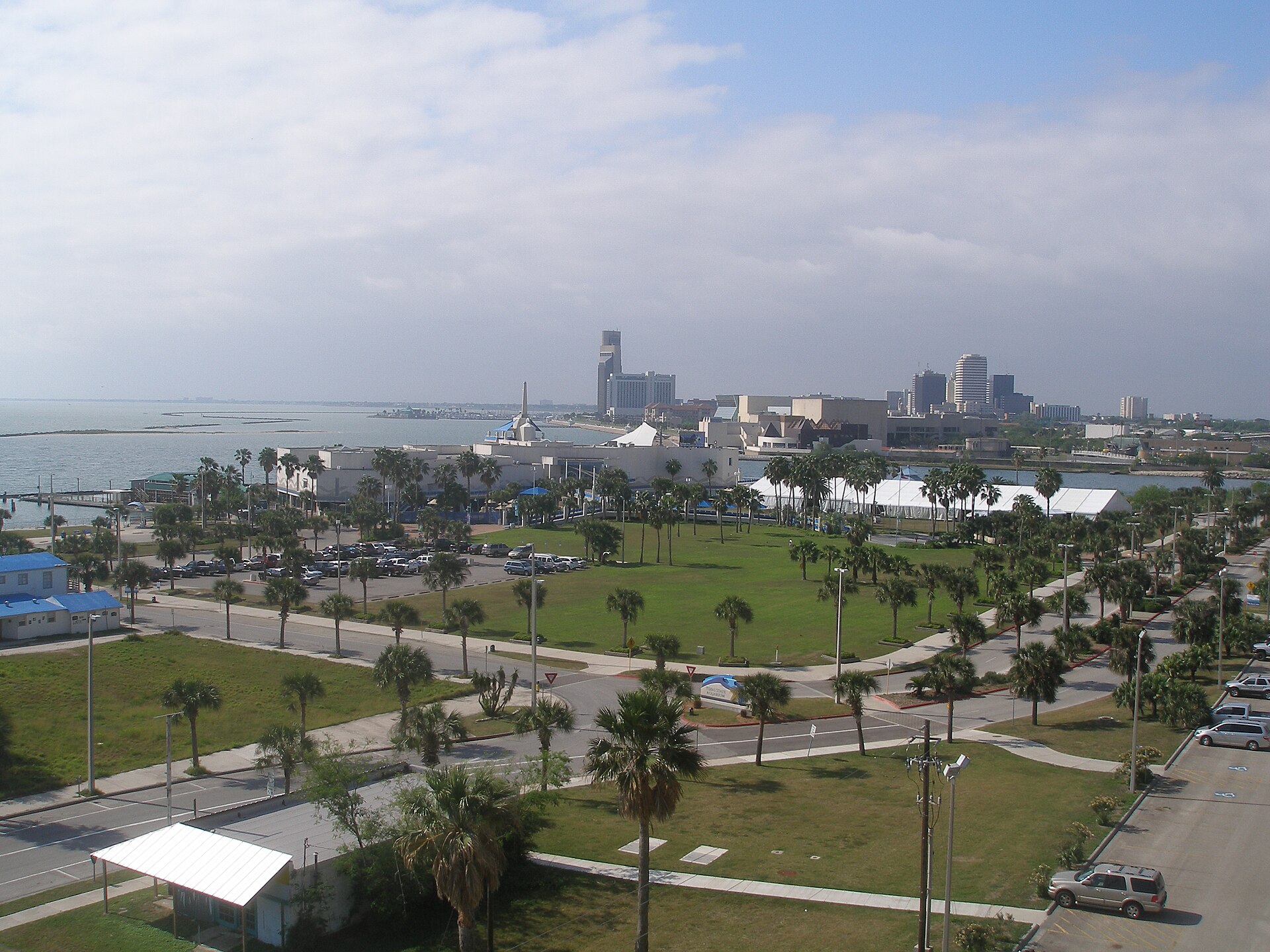
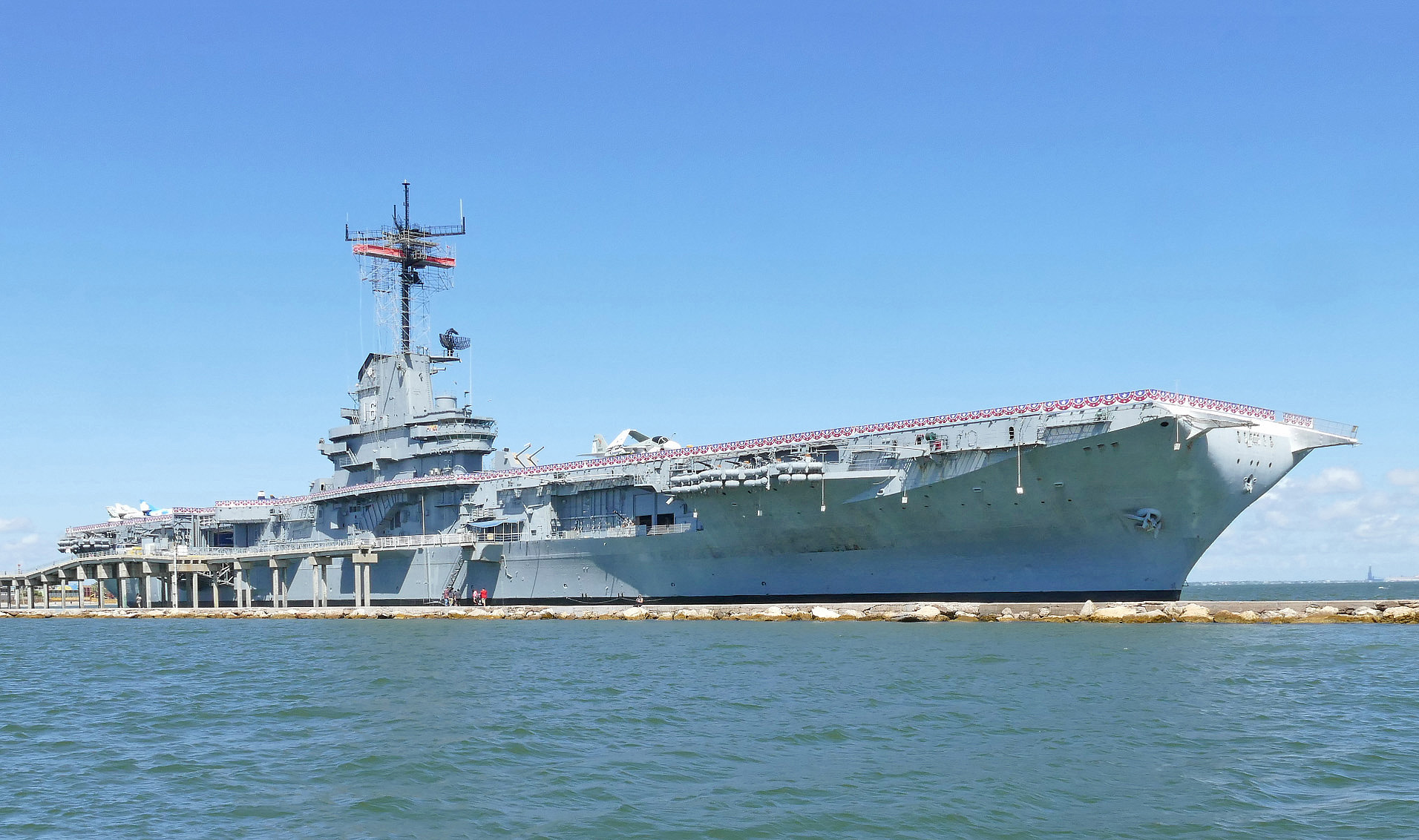
The Texas State Aquarium sits on the Corpus Christi ship channel with a thesis: the Gulf of Mexico is the exhibit. Founded through a citizen effort and opened in 1990, it has grown into the largest aquarium in Texas, drawing visitors to North Beach alongside the USS Lexington.
Its signature spaces scale up the Gulf's own geography — the H-E-B Caribbean Sea exhibit, a 400,000-gallon shark habitat viewed through one of the longest acrylic windows in the country; the Gulf of Mexico exhibit with its reef fish and sea turtles; dolphin presentations; and galleries for stingrays, jellyfish and the nearshore species that live in the bay systems visitors can see from the building.
The aquarium's second job is rescue. Its Wildlife Rescue program responds to stranded sea turtles and marine mammals along the Texas coast, rehabilitating animals for release — the work that makes regional news each winter when cold-stunned sea turtles are recovered from Texas bays by the hundreds during hard cold snaps.
Education runs through everything: school programs, camps, and distance-learning broadcasts to classrooms far from the coast, built around the idea that Texans protect what they've seen up close.
Fall is the aquarium's shoulder season — school groups on weekdays, families on weekends, and animal-care staff doing the kind of deep maintenance that crowds make impossible in July.
For a city that lives from the Gulf, the aquarium is both mirror and argument: this is what the water holds, presented in glass and gallons until the real thing outside makes sense.