Texas Grid, Winter Watch: What ERCOT Does Before the Cold Arrives
Since February 2021, 'winter readiness' is a phrase Texans read carefully. Here is what the grid operator and the state now do each fall — and what remains weather's decision.
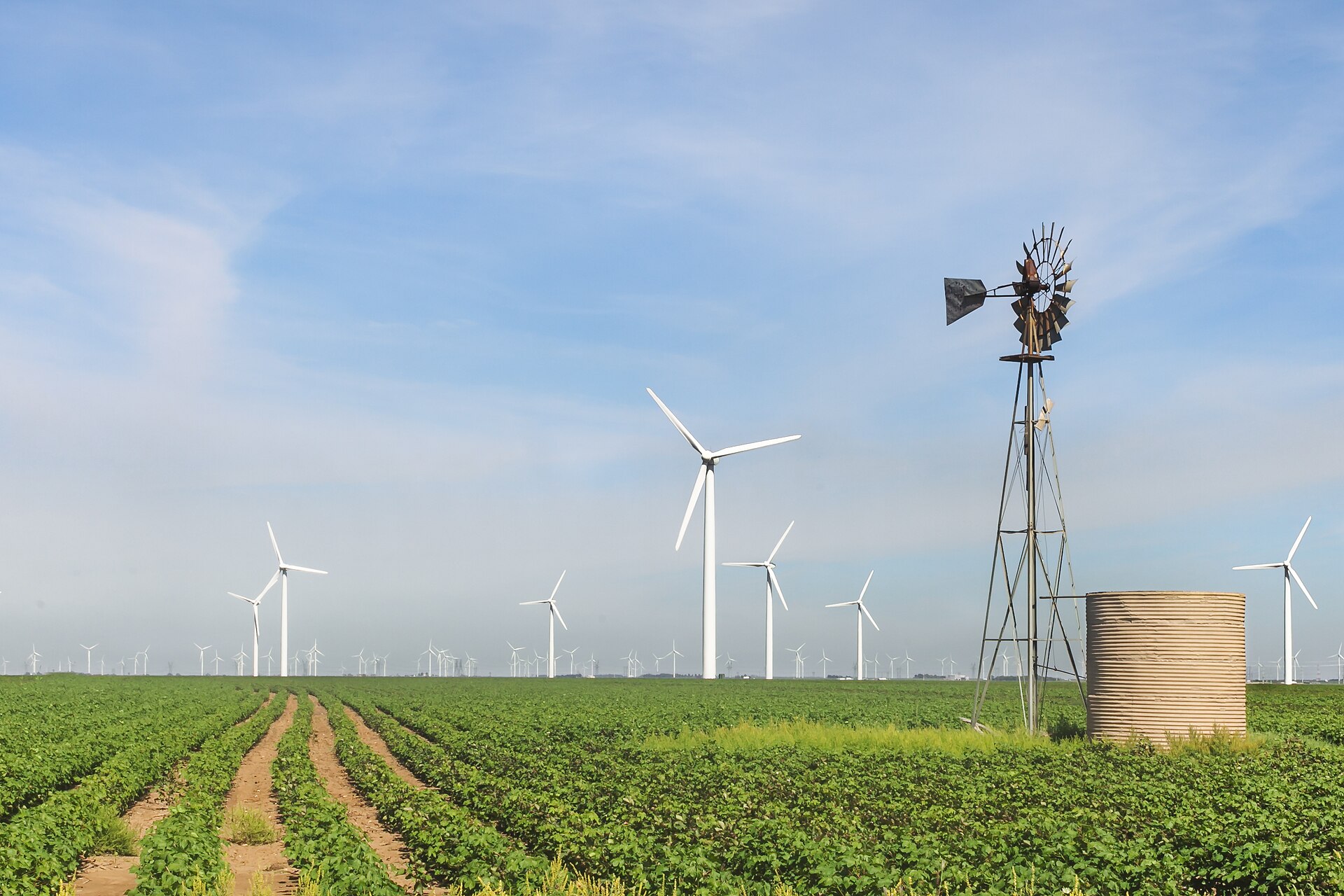
No phrase in Texas public life changed meaning faster than 'winter storm' did in February 2021, when Winter Storm Uri knocked out power for millions and rewrote the state's relationship with its electric grid. Each November since, the Electric Reliability Council of Texas and state regulators have run a public ritual: inspections, attestations and forecasts meant to show the grid is ready for cold.
The post-Uri framework is real law. Power generators and transmission operators in the ERCOT region must weatherize equipment to state standards and submit to inspections; the Public Utility Commission oversees winter emergency rules, and ERCOT publishes seasonal assessments estimating whether supply will meet demand under scenarios from normal cold to extreme events.
Gas supply — the fuel behind much of Texas generation — was the 2021 failure point, and the Railroad Commission's weatherization rules for critical gas facilities are the other half of the state's reforms.
What the assessments can and cannot say is worth understanding: they model probability, not destiny. An ordinary cold snap is now well within the grid's planned margins; an extreme, multi-day freeze with equipment failures across fuel types is the scenario no model can retire entirely.
For households, the seasonal advice is unchanged and cheap: know how to shut off water, keep pipes protected during hard freezes, maintain a basic emergency kit, and sign up for local alerts. South Texas freezes are rare — which is precisely why they break things built for heat.
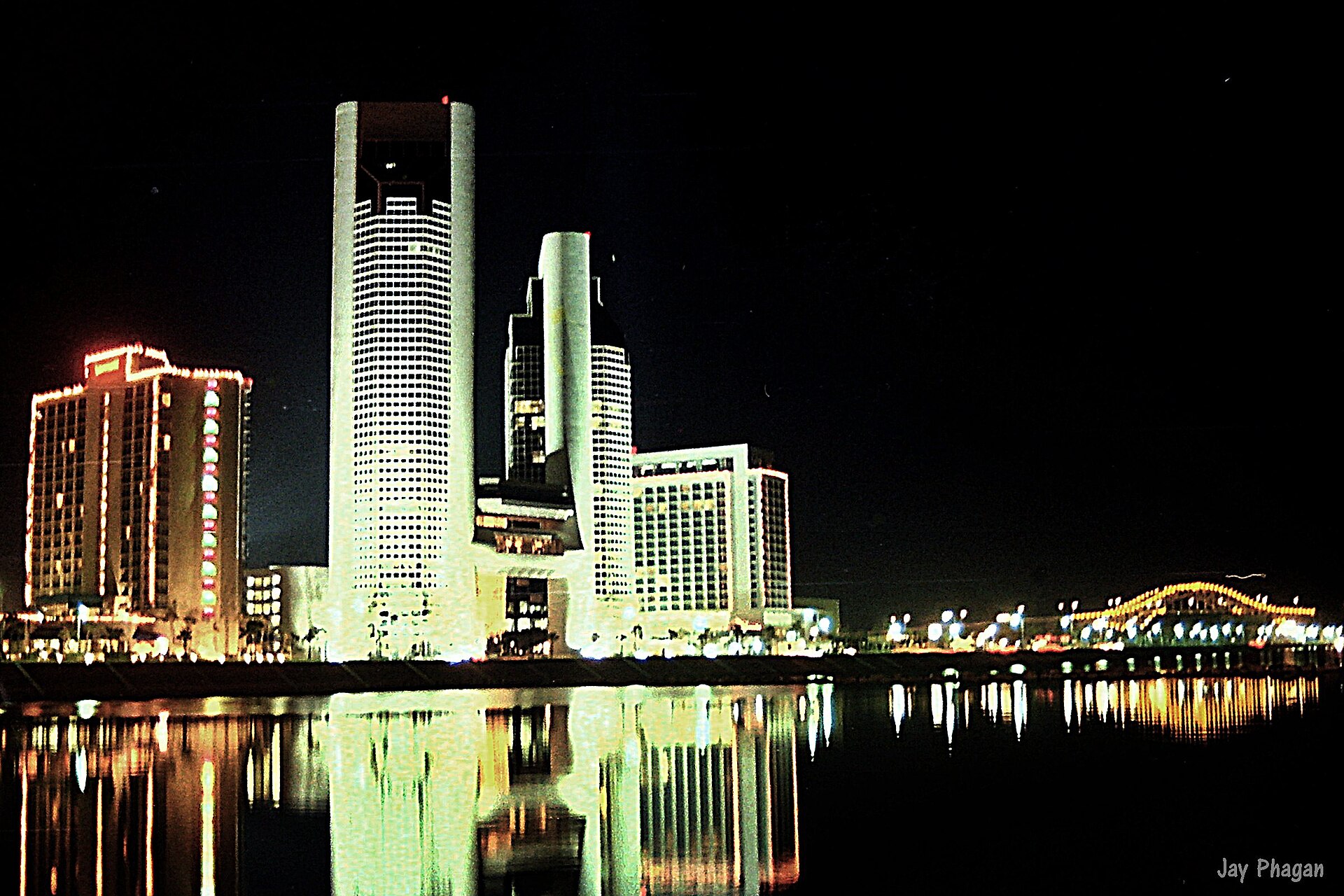
Corpus Christi's own infrastructure — water treatment, the port, the refineries — plans against the same calendar. The grid question in Texas is never whether winter is coming. It is whether this winter is the kind the state has rehearsed for.